Onboard Life
Dining Choices
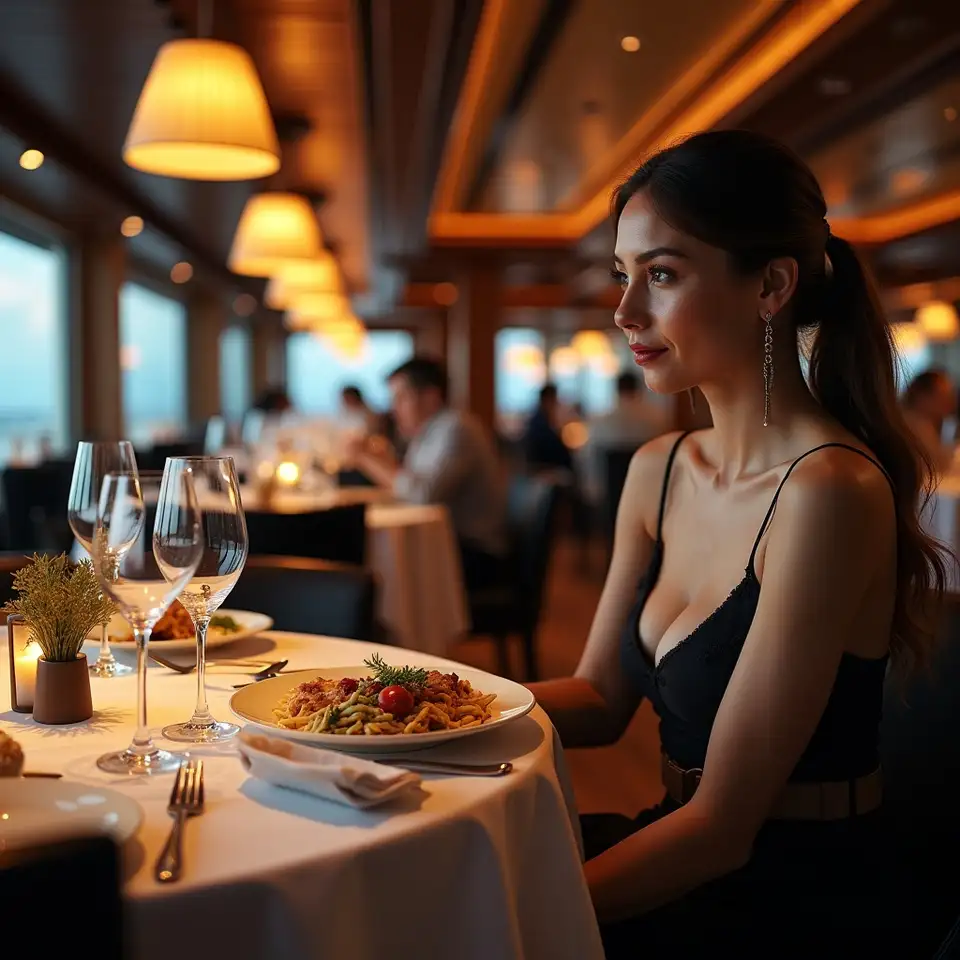
Modern cruise ships offer a range of dining venues that go well beyond a single buffet. First, identify the included restaurants and their opening hours so you can plan meals around your port schedule. Next, explore specialty dining options — these typically carry an additional charge but offer a noticeably different quality and atmosphere. Finally, book any specialty reservations early in the voyage, as popular venues fill quickly once the ship departs.
Entertainment Options
Entertainment on a cruise ship is more varied than most first-time travellers expect. First, check the daily programme each evening for the following day — it outlines shows, activities, and special events across the ship. Next, balance scheduled entertainment with unstructured time; not every hour needs to be filled. Finally, take note of quieter spaces on board — libraries, observation decks, and smaller lounges offer a genuine alternative to the main entertainment venues.
Wellness and Relaxation
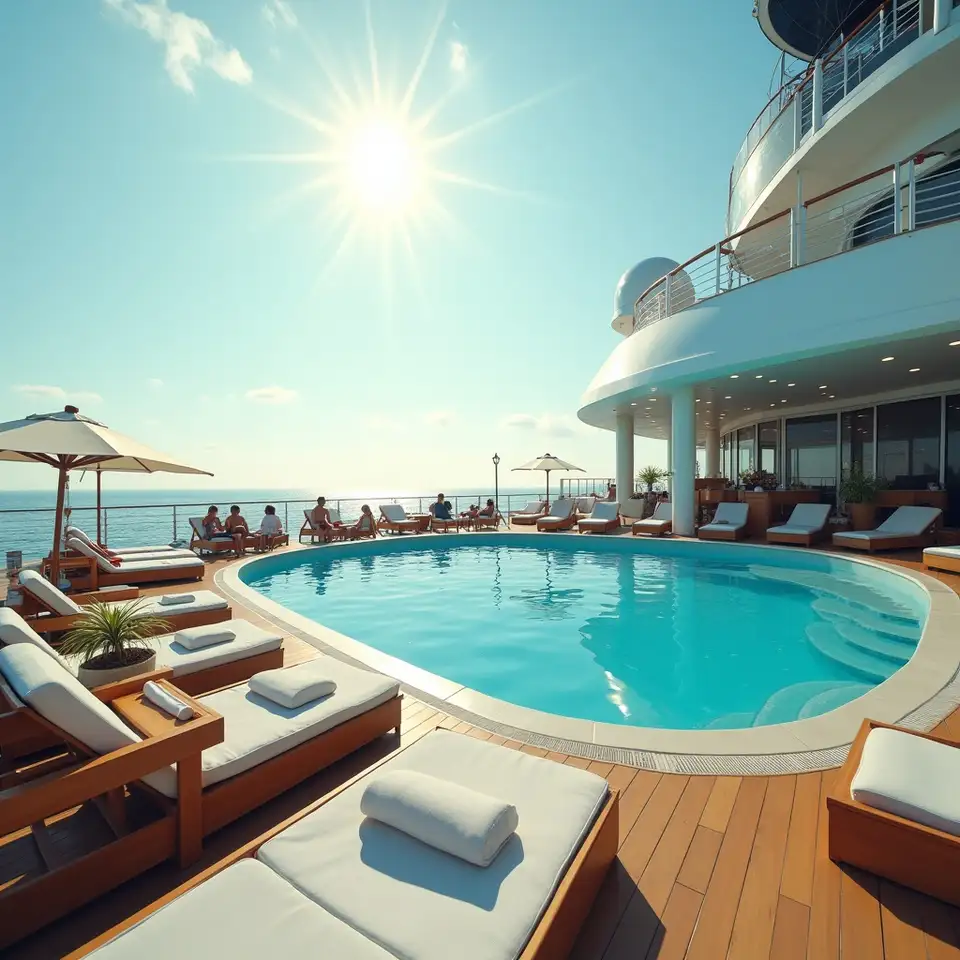
The spa, fitness centre, and pool areas represent a meaningful part of the onboard experience for many travellers. First, visit the spa on embarkation day when promotional rates are often available. Next, establish a routine around the fitness centre if staying active during the voyage matters to you — mornings before port days tend to be the least crowded. Finally, use sea days deliberately for rest rather than filling them with activities, as this sustains your energy across a longer itinerary.
Understanding what is available onboard helps you make deliberate choices rather than discovering options too late in the voyage to enjoy them fully.
Sea Days
Sea days are among the most underestimated parts of any cruise itinerary — here is how to use them well.
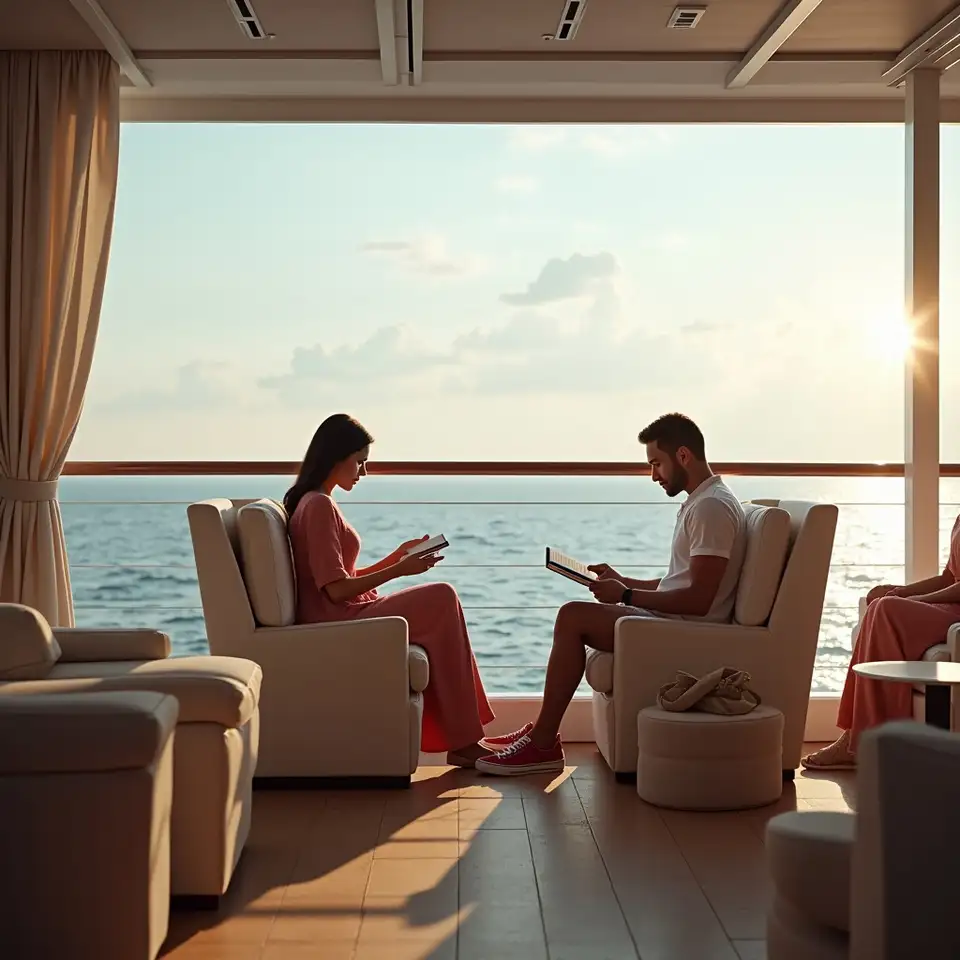
A sea day is a full day at sea between ports, and how you approach it shapes the overall tone of your voyage. First, resist the instinct to fill every hour with scheduled activities — a sea day is genuinely well-suited to rest, reading, and unhurried exploration of the ship's quieter spaces. Next, use sea days to engage with onboard facilities you may not have time for on port days: the spa, the fitness centre, a cooking demonstration, or a lecture from a destination expert. Finally, observe the rhythm of the ship on a sea day — the pace slows, fellow travellers relax, and the experience becomes something closer to a floating retreat than a transport vessel. Travellers who embrace sea days rather than tolerate them consistently describe them as highlights of the voyage.
Start HerePacking Well
Packing for a cruise requires a slightly different approach than packing for a conventional land-based trip. First, consider the itinerary's climate and the range of activities you plan to do — a Southeast Asian sailing in warm, humid conditions calls for lightweight, breathable clothing and comfortable walking shoes suitable for varied terrain. Next, account for the dress codes that apply to different venues on the ship. Most cruise lines have at least one formal or smart-casual evening, and arriving without appropriate clothing means missing out on those experiences. Check the ship's dress code policy before you travel rather than after you board. After that, think practically about what you will need on shore days specifically: a small day bag, sun protection, a reusable water bottle, and any medications or personal items you rely on daily. Finally, be mindful of luggage limits and storage space in your cabin. Cruise ship cabins are efficiently designed but not spacious, and overpacking creates friction every day of the voyage. A well-edited bag that covers every situation without excess weight is the goal. Travellers who pack with intention — rather than packing everything and deciding later — consistently report that the voyage feels more comfortable from the first day to the last. The discipline of packing light is one of the small but genuine skills that experienced cruisers develop over time.
Budgeting Right
Onboard Experience Worth Understanding

The ship is more than a vessel — it is the setting for a significant part of your holiday.
From the moment you board, the ship becomes your home, your restaurant, your entertainment venue, and your transport. Understanding how it is organised and what it offers makes every day of the voyage more deliberate and more enjoyable than approaching it without preparation.
The range of facilities on a modern cruise ship is broader than most travellers anticipate before their first voyage. Dining venues, wellness spaces, entertainment theatres, pools, and quiet retreat areas coexist on the same vessel — and knowing where each one is and when it is at its best helps you make the most of every hour aboard.
Sea days, often viewed as gaps between ports, are in practice some of the most restorative parts of a cruise itinerary. First, use them to engage with onboard facilities at a relaxed pace. Next, attend a talk, join a cooking session, or simply find a quiet deck chair with a clear view of the horizon. Finally, arrive at the next port rested rather than depleted — the contrast between an active shore day and a genuine rest day is one of the rhythms that experienced cruisers value most about this style of travel.
Cruise ships are designed to offer a self-contained holiday experience that rewards travellers who engage with them thoughtfully. First, the dining programme spans multiple venues with different atmospheres, price points, and cuisine styles — from casual buffet breakfasts to multi-course dinners in specialty restaurants. Next, the entertainment schedule runs from morning activities to late-evening shows, with something available for nearly every interest and energy level. After that, the wellness and fitness facilities provide a meaningful counterpoint to the indulgence of cruise dining — a structured morning workout or an afternoon in the spa integrates naturally into the rhythm of the voyage. The onboard spending system, which operates as a cashless account charged to your cabin, makes it easy to enjoy these facilities without constantly managing cash — but it also makes it easy to spend more than intended if you are not paying attention. Finally, the social dimension of cruise travel is worth acknowledging: the ship creates a shared environment where fellow travellers naturally cross paths at meals, on deck, and during port days, producing a sense of community that is genuinely distinctive to this style of holiday.
Four Onboard Habits That Experienced Cruise Travellers Develop
Review the Daily Programme Each Evening
Book Specialty Dining on Day One of the Voyage
Use Sea Days for Wellness and Genuine Rest
Monitor Your Onboard Account Regularly Throughout
The cashless onboard account makes spending effortless — which is both a convenience and a risk. First, check your account every two to three days through the ship's app or a self-service kiosk. Next, compare your actual spending against your pre-trip estimate so adjustments can be made before the final day. Finally, settle any queries about charges at the guest services desk before disembarkation day, when queues are longest.